Craft Fair Success: The Story of Eating Baby Bear
Every season, as I plan my embroidery booth for the weekend markets, I sift through my designs looking for that perfect blend of charm and commercial viability. When I came across the Eating Baby Bear machine embroidery design, it immediately sparked that product-focused evaluation. My job isn't just to stitch—it's to judge what will draw a customer across a bustling aisle, prompt a smile, and ultimately, a purchase. Let’s walk through that real-world review.
The Immediate Mood and Market Fit
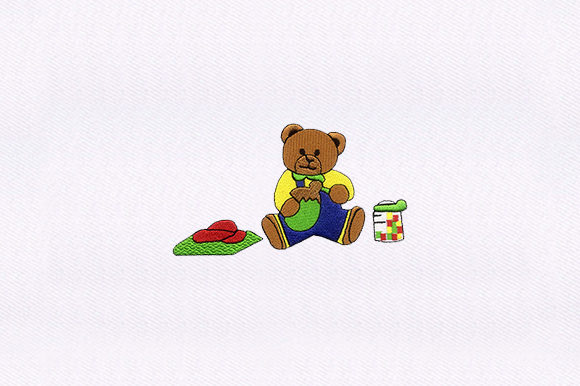
The title Eating Baby Bear sets a clear tone. This isn’t a formal portrait; it’s a scene. It leans into a narrative of innocence, playful curiosity, and gentle humor. For craft fair sellers and handmade shop owners, this is a goldmine. It feels undeniably cute and soft, but with a touch of rustic charm that fits wonderfully into the farmhouse and cottage-core aesthetics dominating home decor and accessory trends. This mood translates directly to perceived product value. It doesn’t look like a generic graphic; it looks like a little story, which adds a layer of handmade quality and thoughtful design that buyers appreciate.
Where Eating Baby Bear Shines on Products
Visualizing my table display, I consider each product category. Eating Baby Bear is versatile, but its best applications are where its story enhances the item’s function.
Kitchen and Home: The Natural Habitat
For apron embroidery and tea towel embroidery, this design is a standout. A baby bear eating on a kitchen towel isn’t just decoration; it’s a character adding warmth to daily chores. It turns a utilitarian item into a giftable handmade item. On a linen apron, positioned near a pocket or on the bib, it creates a focal point that makes the apron feel special and premium.
Accessories and Wearables: Subtle Charm
On tote bags and market bags, Eating Baby Bear works best as a medium-sized design, not overly large. Placed centrally or on a lower corner, it gives the bag personality without overwhelming it. For caps, careful consideration is needed due to the curved surface. The design would likely need to be scaled down, so checking the detail retention at a smaller size is crucial before committing to batch production.
Decorative and Gift Items
A small fabric pouch or a pillow cover is an excellent canvas. Here, the design can be a central, larger focal element, creating a cozy, decorative accent. As an embroidered patch, it would be delightful, but its success depends entirely on the clarity of the smaller elements—like the bear’s features and any food details—at a reduced scale.
Practical Production for the Booth
This is where an embroidery designer’s experience turns a good digital embroidery file into a reliable, sellable craft fair product.
Understanding the Design at a Glance
Eating Baby Bear has a clear narrative, which makes it easy for customers to understand quickly. This is vital for fast-paced market environments. They see a bear eating; the emotion is immediate. This also aids in Etsy listings and printable mockups—the story sells itself in a photograph.
Scaling, Density, and Fabric Considerations
Without knowing exact stitch counts or hoop sizes from the provided list of embroidery file formats (DST, PES, etc.), my first step is always to test. I’ll stitch it out on scrap fabric at various sizes to see how it behaves.
- Small Accent or Large Focal? Based on the theme, it likely has details that need space. I’d start by testing it as a 4x4 inch design on a tea towel and a 6x6 inch on a pillow to compare clarity.
- Stitch Density: Animal designs often have filled areas. I need to check for overly dense stitch areas, especially if I plan to stitch on textured towels or thicker canvas for tote bags. High density on thick fabric can cause puckering without the correct stabilizer.
- Thread Contrast and Fabric Color: This cute design will pop on neutral linens, creams, and soft pastels. On dark fabric, I must ensure the thread color palette has enough light shades to maintain visibility. Always stitch a sample on both light and dark backgrounds.
- Tiny Details: Are there tiny berries or intricate paws? If so, scaling down for a cap or small patch might make those details vanish, reducing the design's appeal.
Batch Production and Photographing
For my small shop product line, I need designs that are repeatable. Eating Baby Bear seems straightforward—no complex color changes or minute lettering that would slow down batch embroidery. Its visual appeal is consistent, which helps with brand consistency across different products. Crucially, it photographs well. The cute, clear scene looks excellent in booth samples and online listings, showing the handmade quality without requiring extreme close-ups.
The Final Booth Strategy
In my actual craft fair booth, I would use Eating Baby Bear as a key attraction.
I’d create at least one real, high-quality mockup of it on a premium product, like a linen tea towel set or a canvas tote bag, and place that at the front of my table. This draws customer attention. Its story encourages buyer engagement—people might point, smile, or ask about the bear. I’d pair it with other Baby Animals designs to create a thematic section, boosting the overall booth display strength.
My advice to fellow boutique makers and creative entrepreneurs is this: Eating Baby Bear has strong commercial potential in the handmade market. Its charm is its biggest asset. However, never skip the practical steps.
- Test the design on multiple fabric textures and colors.
- Check the required hoop size and stability for your intended products.
- Review the file in your software to inspect spacing and potential stitch count issues.
- Most importantly, confirm commercial licensing before selling any finished products from this or any digital embroidery file.
By combining its inherent appeal with diligent production planning, Eating Baby Bear can become a reliable, charming star of your embroidery product line, turning a simple digital design into tangible craft fair success.