Embroidery Design Review: Tossing Pan for Craft Fair Success
As a professional embroidery designer preparing for a weekend craft fair, my first step is always to evaluate new designs through a real-world lens. Today, I'm reviewing the Tossing Pan machine embroidery design. This isn't just about aesthetics; it's about assessing its potential to become a profitable, standout product on a crowded handmade market table. Let's dig into where this design shines and where you need to pay attention before hitting the 'embroider' button.
First Impressions: Decoding the Tossing Pan's Market Appeal
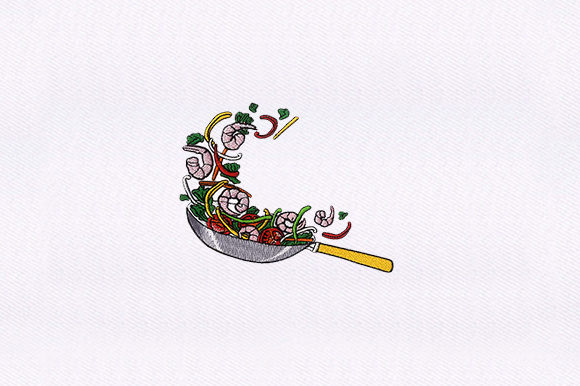
The title Tossing Pan immediately sets a clear, functional, and slightly nostalgic tone. This isn't a vague decorative motif; it's a specific kitchen tool. For customers, that creates instant recognition. In my mind, the design feels rustic and decorative, leaning towards a farmhouse or cozy kitchen aesthetic. It suggests home cooking, simplicity, and a touch of craft. This is a strong starting point for the Kitchen category. The value here is in its clarity—at a bustling fair, a customer glancing at a tea towel understands the theme immediately, which is half the battle in securing a sale.
Product Placement: Where Tossing Pan Will Stand Out
Imagine your booth display: a mix of tote bags, aprons, tea towels, pillow covers, and small giftable items. Tossing Pan needs to be placed where its theme resonates most powerfully.
- Kitchen Towels & Aprons: This is the natural home. An embroidered tea towel with a pan design sells because it’s both useful and charming. On an apron, it becomes a focal point that adds perceived handmade quality and value.
- Tote Bags & Market Bags: For the cooking enthusiast or grocery shopper, a tote bag design featuring this motif works beautifully. It’s less literal than on a towel, turning a bag into a statement piece for food lovers.
- Embroidered Patches: A Tossing Pan patch offers versatility. It can be sold as-is to patch collectors or applied to caps or pouches. This expands your product range.
- Pillow Covers & Home Decor: Here, the design shifts from purely functional to decorative. A small pan on a linen pillow cover reinforces a rustic, handmade kitchen theme, appealing to buyers looking for cohesive home styling.
The key is to use it on products where the theme is a benefit, not just a decoration. A pan on a tea towel makes sense; a pan on a generic pouch might need more context.
Production & Selling: The Practical Designer's Checklist
Turning a digital embroidery file into a successful craft fair product requires a practical mindset. Here’s my review for production.
Design Scale and Clarity
Tossing Pan likely has details—perhaps the pan's handle, a subtle texture, or lettering. Before batch production, you must test the design on scrap fabric at your intended hoop size. Embroider it on the actual materials you'll use: the textured surface of a tea towel, the curved panel of a cap, or the dense weave of a canvas tote bag. Check for tiny details that may vanish or become messy on smaller sizes or textured fabrics. Does it work as a small accent on a cap brim, or does it need to be a larger focal point on an apron pocket to retain its impact? This test is non-negotiable.
Photography and Online Appeal
For your Etsy seller listings or printable mockups, this design should photograph well. Its recognizable shape creates a strong visual even in thumbnail images. Ensure you use high-contrast thread colors against your fabric—a classic white on navy, or black on natural linen—to maximize clarity in photos. Creating at least one real mockup for photography is far better than relying solely on digital previews. It captures the true texture and appeal of the finished product.
Batch Production Feasibility
Is Tossing Pan repeatable? For a craft fair, you often need multiples. Review the stitch density in your embroidery software. High density on thick fabrics like tote bags can lead to puckering and longer stitch times, affecting your production speed. Use the correct stabilizer for each fabric type. Also, compare fabric colors—the design might look premium on high-quality linen but lose charm on cheap, thin cotton. Consistency in your brand consistency and product quality is key.
Careful-Use Notes for a Professional Finish
Every design has its quirks. Based on the description as a machine embroidery design, here are specific considerations.
- Dense Stitch Areas: If the pan body is filled with satin stitches, it may be heavy. On lightweight kitchen towels, this can cause distortion. A sturdy stabilizer is essential.
- Small Lettering or Details: If the design includes any text or fine lines, test it at your intended size. On a dark fabric, small details can get lost unless thread contrast is perfect.
- Fabric Texture: Embroidering on a textured terry tea towel versus a smooth apron twill yields different results. Adjust your stabilizer and potentially your hoop tension.
- Commercial Use: The provided file formats (10O, ART, CND, DSB, DST, DSZ, EXP, HUS, JEF, PCS, PEC, PES, TAP, VIP, VP3, XXX) indicate wide machine compatibility, which is excellent for commercial embroidery. However, confirm commercial licensing before selling finished products. Never assume.
Turning Tossing Pan into Booth Engagement
At the fair, your embroidered products are your silent salespeople. Tossing Pan, when executed well, boosts visual appeal and product value. A beautifully embroidered apron with this design looks professional and desirable, encouraging touch and engagement. It tells a story of homemade meals and craft, which resonates emotionally with buyers. Use it on a standout item as your booth sample—perhaps a well-made market bag displayed prominently. This draws attention and lets customers imagine the design on other products. Its straightforward theme makes it an easy conversational starter: "Perfect for the home cook!"
Final Designer's Advice
Your success with Tossing Pan hinges on preparation. Treat this digital embroidery file as a raw material. Review spacing and overall composition in your software. Inspect stitch density before committing to a large batch. Choose fabrics that enhance the rustic, handmade feel. And most importantly, make the first sample as if it were going to a customer. That final, tangible handmade product is what will convince a browsing customer to become a paying one, transforming your weekend booth into a thriving marketplace for your creativity.