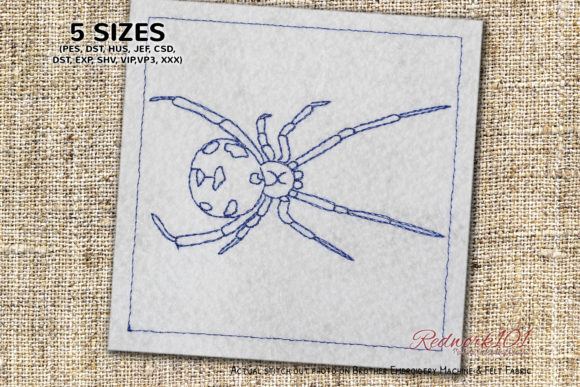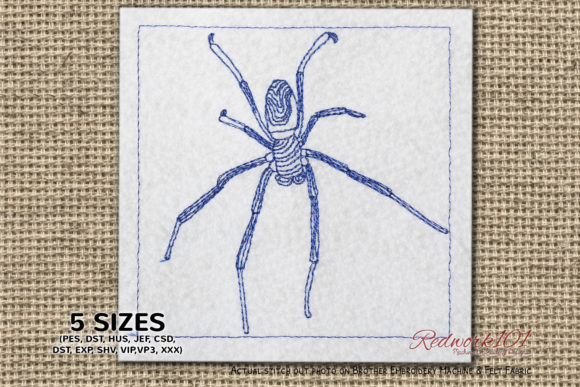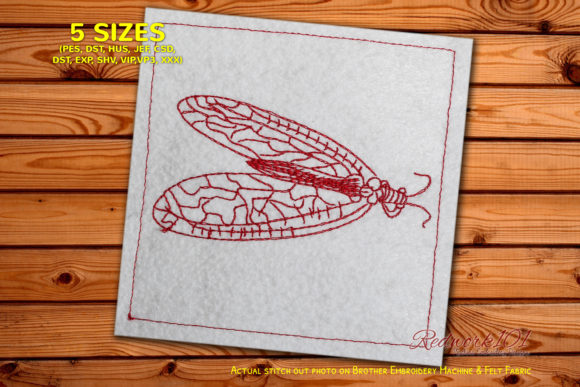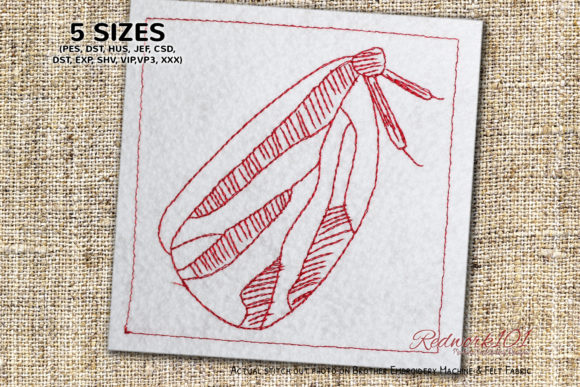
A Designer's Take: Craft Fair Success with Fluttering Butterflies
Walking into my studio, preparing for a weekend craft fair, my mind is on products. Which designs will draw eyes to the booth? Which ones will feel worth the price? Today, I'm reviewing Fluttering Butterflies, a machine embroidery design from the Bugs category, to see if it has that potential. My judgment is always practical: What sells, what looks good in person, and what I can produce efficiently.
The First Impression: Soft, Decorative, and Universally Appealing
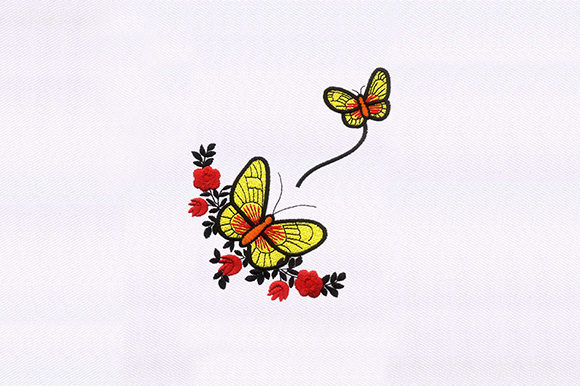
The title Fluttering Butterflies sets a gentle, nature-inspired mood. This isn't a bold, graphic statement or a funny pun; it's a decorative, soft aesthetic. It leans towards elegant and premium, not rustic or farmhouse. This is a key advantage at a mixed-market craft fair. Butterflies have a wide appeal—they can attract customers looking for a gift, someone wanting a touch of beauty for their home, or a crafter who appreciates delicate detail. The mood is positive and light, which often translates well to handmade products.
Where Fluttering Butterflies Will Stand Out on the Table
Imagine the booth: a table with embroidered tote bags, aprons, tea towels, patches, caps, and small pouches. My first thought is that Fluttering Butterflies needs a canvas where its delicacy can shine. It won’t compete well on a busy, textured kitchen towel against other bold designs. But on a minimalist product, it becomes a focal point.
Premium Tote Bags and Market Bags: A simple linen or cotton bag provides a clean background. A single butterfly or a small cluster near the top corner creates an elegant, handmade quality that increases perceived value. It's not just a bag; it's a decorated accessory.
Pillow Covers and Fabric Pouches: For home decor, this design adds a subtle, decorative touch. On a pillow cover, especially in light colors, the butterflies feel soft and inviting. A small pouch with this embroidery becomes a special giftable item, perfect for jewelry or keepsakes.
Embroidered Patches: This is a strong contender. A Fluttering Butterflies patch allows for flexibility. Customers can apply it to their own items. On the booth table, a display of patches is easy to produce and offers a lower price point entry.
Caps and Aprons: Caution here. The curved surface of a cap can distort details. A butterfly design with dense stitches might not sit well. For an apron, placement is key—a small accent on a pocket or strap could work, but a large central design might get lost in the apron's functional use.
Practical Production: Making It Work for Your Business
As an Etsy seller and craft fair vendor, my time and material costs matter. Here’s my real-world assessment of producing Fluttering Butterflies as a craft fair product.
Understanding the Design at a Glance
The design type is machine embroidery, and the listed embroidery file formats (like PES, DST, JEF) mean it's widely compatible—a huge plus for digital embroidery file sellers and makers using various machines. But before any production, I must open the file in my software. I need to see the actual stitch count, density, and size.
- Is it a small accent or a large focal design? Without the exact hoop size info, I would test it. If it's a smaller design, it's perfect for patches, pouch accents, and tea towel corners. If it's larger, it becomes a tote bag or pillow cover centerpiece.
- How does it photograph for online listings? Delicate designs require good contrast. I would test stitch it on both light and dark scrap fabric to see which version pops more for my Etsy listings and printable mockups.
- Is it repeatable for batch production? If the stitch density is reasonable and the thread color count isn't excessive, I can run multiple items efficiently. High density on thick fabric like tote bag material can be time-consuming.
Careful-Use Notes for a Quality Finish
My designer notes are always about avoiding pitfalls that reduce quality.
- Dense Stitch Areas: Butterflies often have solid wings. High density on textured towels or curved caps can cause puckering. Using the right stabilizer is non-negotiable.
- Tiny Details: Check for very small antennae or wing patterns. These might lose clarity at smaller sizes or on dark fabric if thread contrast isn't high.
- Fabric Compatibility: This design likely suits smooth cottons, linens, and bag fabrics better than looped terry towels or stiff canvas.
- Commercial Licensing: The product description doesn't specify license terms. I must always confirm I have the right to sell finished products made from this digital embroidery file before producing anything for my small shop product line.
Turning Fluttering Butterflies into Sales and Engagement
Finally, how does this design affect the business side? At the craft fair booth, a well-executed Fluttering Butterflies tote bag displayed prominently catches the eye. It speaks to visual appeal and handmade quality. Customers notice the detail. It feels special.
For product value, placing it on a premium material (like a linen pillow cover) justifies a higher price point than a simple cotton tea towel. It supports brand consistency if your shop focuses on nature-inspired, elegant goods.
Booth display strength comes from variety. Having Fluttering Butterflies across different items—a patch, a pouch, a tote—shows its versatility and increases buyer engagement. Someone might love the design but not need a pillow; offering a patch gives them an option.
The Final Designer Checklist Before Production
- Test the design on scrap fabric of the types I plan to use (tote, linen, cotton).
- Check thread contrast against my planned fabric colors.
- Review spacing and layout if I plan to cluster multiple butterflies.
- Confirm the required hoop size by viewing the actual embroidery file.
- Inspect stitch density to plan my production time and stabilizer needs.
- Create at least one real, physical mockup of the best product idea (like a tote bag).
- Compare how it looks on light versus dark fabric for photography.
- Double-check the commercial embroidery license for selling finished items.
In conclusion, Fluttering Butterflies has strong potential for craft fair and handmade market products. Its soft, decorative mood appeals to a broad audience. Its success hinges on strategic placement on premium, smooth-fabric items and careful production to maintain its delicate clarity. For the embroidery business owner, it's a design worth testing and, if executed well, can become a reliable, attractive part of your product lineup.