Bringing Dolphin Showcasing to a Craft Fair Booth
As a designer preparing for a weekend market, my first task is to evaluate how a new embroidery file, like Dolphin Showcasing, translates from a digital design into real, sellable products. This review isn't about aesthetics alone; it's a practical assessment of how this design will perform on my table, attract customer eyes, and justify the time and materials invested in its production.
First Impressions of the Dolphin Design
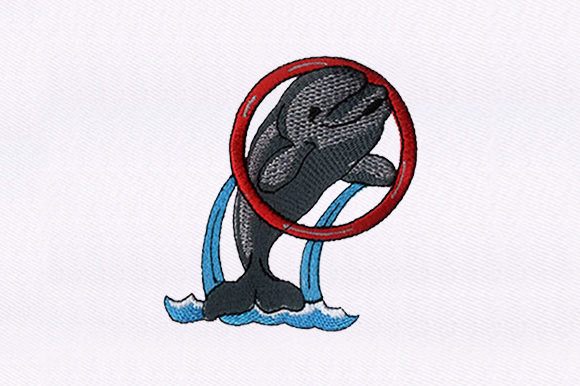
The title Dolphin Showcasing suggests a design centered on a dolphin figure, likely presented in a way that highlights or “showcases” the animal. Without seeing the exact artwork, I expect a design that leans towards decorative, elegant, and soft in mood. Dolphins often evoke feelings of serenity, freedom, and natural beauty, which can translate into a premium feel on handmade goods. This isn't a rustic or farmhouse motif; it's more likely a clean, modern illustration suitable for gifts and decorative items.
Where Dolphin Showcasing Will Stand Out
When planning my booth display, I think about which products will make this embroidery design shine and which will simply carry it. The key is matching the design's inherent mood to the product's purpose.
Premium Gift Items and Home Decor
Pillow covers and small fabric pouches are excellent candidates. A dolphin design here feels intentional and decorative, adding value to a functional item. A well-placed dolphin on a linen pillow cover can create a serene, coastal-themed home decor piece that sells as a premium handmade product.
Functional Fashion with a Soft Touch
Tote bags and market bags are another strong category. A dolphin embroidery on a natural canvas tote moves it from a simple bag to a statement accessory, appealing to customers who love marine themes or elegant simplicity. It works as a focal point, not just an accent.
Considerations for Wearables and Kitchen Lines
On caps, the curved surface can be tricky, and the design's clarity must be checked at a smaller size. For aprons and tea towels, the design must contend with textured fabric. Dolphin Showcasing could work beautifully on a chef's apron as a unique feature, but I'd be cautious about dense stitch areas on terry cloth towels where texture fights with detail.
Practical Production for the Busy Maker
Selling at a craft fair means batch production. I need a design that is reliable, photographable, and easy to understand at a glance.
Batch Production and Visual Repeatability
The dolphin theme has strong repeatability. Customers who like it might buy multiple items or it can become a consistent element in a coastal-themed brand. For batch sewing, I need to know the specific hoop size required (not provided here, so I must check the embroidery file details) to plan my production flow efficiently.
The Critical Importance of a Physical Mockup
Before I stitch this on any final product, I will test Dolphin Showcasing on scrap fabric identical to my intended products. This is non-negotiable. I need to check stitch density, see how it handles dark fabric versus light, and ensure there are no tiny details or small lettering that lose clarity. This step protects my investment in blanks like bags and aprons.
Photographing for Online and Booth Appeal
A design like this should photograph well for Etsy listings and printable mockups. Its likely elegant lines will show clean stitch definition, which highlights handmade quality. In the booth, placing a dolphin-embroidered tote bag next to a simpler, solid-colored item creates visual contrast and draws attention.
Navigating Technical Embroidery Details
The provided embroidery file formats (10O, ART, CND, DSB, DST, DSZ, EXP, HUS, JEF, PCS, PEC, PES, TAP, VIP, VP3, XXX) are extensive, ensuring compatibility with most commercial and home machine embroidery design systems. This is a major advantage for digital sellers and makers using various machines.
My practical notes for production are:
- Stabilizer choice is key. For towels or bags, a firmer stabilizer might be needed to prevent puckering.
- Thread contrast matters. I'll experiment with thread colors against different fabric colors to maximize pop.
- Review spacing and alignment. Especially for items like embroidered patches, where the design might be isolated.
- Confirm commercial licensing. Before selling finished products, I must verify the license terms of the digital embroidery file.
Final Judgement for Craft Fair Success
Dolphin Showcasing feels like a design with strong potential for niche appeal. It won't be the loudest, funniest design on the table, but it can be the one that sells based on elegance and theme. Its success hinges entirely on execution.
For my booth, I would likely feature it on a high-value item like a premium pillow cover or a stylish tote bag to establish its perceived worth. I'd then offer smaller, lower-cost items like tea towel embroidery or simple patches to give customers entry points. This design can enhance brand consistency for a maker focused on nature or ocean themes, strengthening the overall booth display.
In essence, Dolphin Showcasing isn't just an embroidery file; it's a product opportunity. Its real-world value will be measured by the care taken in selecting the right product base, using the correct embroidery techniques, and presenting it in a context that makes its serene, showcasing nature obvious to the passing customer. That’s the craft of turning a digital asset into a compelling craft fair product.