Reviewing the Guppy Fish Bluework Embroidery Design
As a professional embroidery designer preparing for a weekend craft fair, every new design gets a thorough review. The goal is simple: will this file help you create products that sell, look beautiful, and are practical to produce? Let’s walk through a real-world evaluation of the Guppy Fish Bluework embroidery design.
First Impression and Product Mood
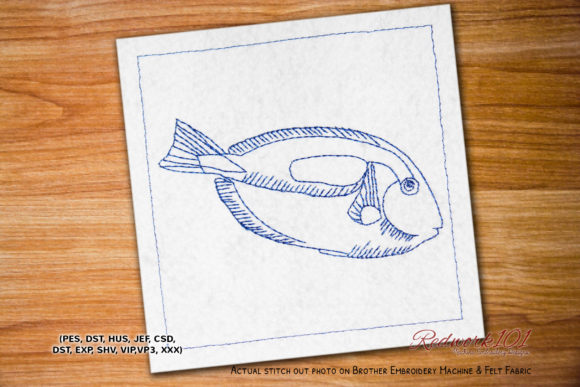
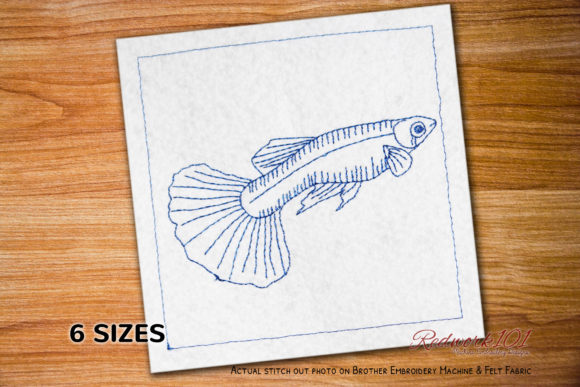
The title Guppy Fish Bluework immediately sets a tone. This isn't a generic, aggressive fish. It suggests a specific, often colorful and lively species. The mention of "bluework" implies a focused, possibly monochromatic or blue-dominant color palette. My initial impression leans towards cute, decorative, and modern. It feels like a design that could be both playful and elegant, depending on your thread choices and the product you put it on. For handmade market products, this is a strong starting point—it’s specific enough to attract niche interest (fish lovers, aquarium enthusiasts) but has a soft, artistic quality that appeals broadly.
The product description notes that The Box Stitch shown in picture is optional. This is a crucial practical detail. It means the design likely has a bounding element—a box—that can be included or omitted. The description clarifies that the color of outer Box is different color in most of the designs unless it is part of the design itself, you can skip the color directly in your. This tells us the box is often a separate color element, giving you control. For fast production, skipping it could save time and thread changes, simplifying the process for batch-making items like tea towel embroidery or embroidered patches.
Where This Design Stands Out on Your Booth Table
Imagine your display: tote bags, aprons, tea towels, caps, small pouches, pillow covers, and giftable items. Where would Guppy Fish Bluework shine?
On tote bags and market bags, this design, positioned centrally or as an accent near a pocket, would look crisp and decorative. The aquatic theme pairs beautifully with natural canvas or linen, suggesting a coastal, cottage, or modern rustic vibe. For kitchen towels and apron embroidery, it’s a fun, unexpected detail. A guppy on a tea towel or the pocket of an apron adds personality without being overly thematic; it’s more artistic than a straightforward cooking motif.
As a small shop product, embroidered patches are a fantastic application. The likely clean lines and defined shape of the guppy make it ideal for a patch, which can then be sold separately or applied to caps or pouches. On caps, consider the curved surface; a smaller version of the design on the side could work well, but you must test for stitch distortion.
For higher-value items like pillow covers or fabric pouches, Guppy Fish Bluework becomes a focal decorative element. It elevates the product from simple to designer-made, enhancing perceived product value and handmade quality. In your booth display, a pillow with this design acts as a strong visual anchor, drawing customer attention.
Practical Production and Selling Points
Now, let’s talk about turning this digital embroidery file into profitable craft fair products.
Design Comprehension and Photographability
At a glance, a guppy fish is easily understood. It’s not abstract. This is a major selling advantage. Customers scanning your booth from a few feet away will quickly recognize it as a friendly, decorative fish. For your Etsy listings and printable mockups, this clarity is gold. It photographs well. The design should retain detail and look crisp in product photos, especially if you use good thread contrast against the fabric.
Consider scale. Is this design best as a small accent or a large focal point? Without knowing exact stitch counts or dimensions, you must test. On a dense towel or a textured cap, a very small version might lose detail. On a tote bag, a larger, bold rendition could be stunning. This affects your choice of hoop size and planning for stitch density.
Batch Production and Consistency
For commercial embroidery and batch work, the optional box stitch is a key feature. If skipping it streamlines the process—fewer thread changes, less stitching time—it makes the design more repeatable for batch production. This is vital for preparing dozens of tea towels or patches for a fair. Consistency across products strengthens your brand consistency on the table.
Careful-Use Notes for the Embroidery Designer
Here are the hands-on considerations I would test before committing to a product line.
- Test on scrap fabric first. Run the machine embroidery design on a piece of fabric similar to your intended product material—be it canvas for a tote, linen for a towel, or twill for a cap.
- Check thread contrast. The “bluework” hint suggests blues, but test on both light and dark fabric. Ensure the chosen threads pop and don’t get lost.
- Review spacing and density. Look for any extremely dense stitch areas or tiny details that might puckering fabric or become indistinct at smaller sizes.
- Confirm hoop size compatibility. Does the design fit comfortably in the hoops you own and use for your standard products?
- Use the right stabilizer. For fabric texture like terry cloth towels or thick canvas, stabilizer choice is critical to maintain design clarity.
- Create at least one real mockup. Before batch production, make one finished product—a real towel, bag, or patch. See how it feels, looks, and holds up. This is your best booth sample.
- Compare fabric colors. Offer the design on a few different background colors at your booth. A guppy on a navy towel versus a cream one creates different appeals.
- Confirm commercial licensing. The description doesn’t specify license terms. As a digital seller or maker selling finished products, you must verify you have the rights to use this embroidery file for commercial sale.
Impact on Customer Engagement and Booth Success
Ultimately, Guppy Fish Bluework isn’t just a file; it’s a product catalyst. Its visual appeal is niche-friendly yet broadly decorative. On your booth table, it adds variety. A customer who loves fish, the ocean, or just unique animal art will be drawn to it. It creates a conversation point, enhancing buyer engagement.
When paired with the right product—perhaps a high-quality linen apron or a set of coordinated kitchen towels—it increases the item’s perceived value. It feels intentional and designed, not random. This supports a premium price point for handmade gifts.
For your production sanity, the optional elements and (hopefully) clean design lines suggest it can be run efficiently. That means you can stock multiple products without excessive production stress, giving you more items to sell and a stronger, fuller booth display strength.
In summary, Guppy Fish Bluework presents a promising opportunity for craft fair sellers. It has a clear, attractive theme, practical production flexibility, and the potential to look excellent on a range of popular handmade products. Your next step is that crucial real-world test: stitch it out, make a sample, and see how it swims in the crowded, wonderful waters of the handmade market.