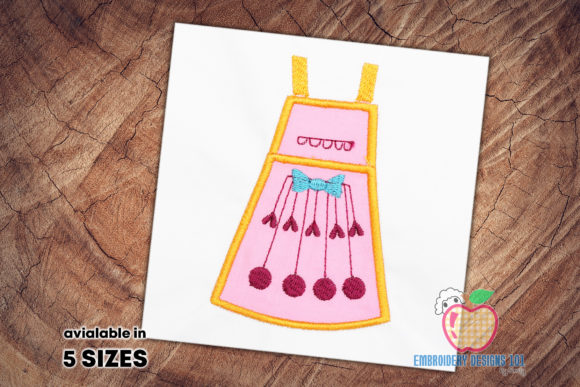
The Kitchen Apron Applique Pattern: A Designer’s Craft Fair Review
As a professional embroidery designer preparing for a weekend craft fair, every design I choose must pass a strict test: will it sell in person? Today, I’m reviewing the Kitchen Apron Applique Pattern, a machine embroidery design, to see if it deserves a spot in my booth among embroidered tote bags, aprons, tea towels, and other handmade products.
First Impression: Rustic Charm with Farmhouse Appeal
The title alone, Kitchen Apron Applique Pattern, immediately sets a mood. It feels rustic, farmhouse, and warmly decorative. This isn’t a minimal or ultra-modern design; it evokes a sense of handmade tradition and cozy kitchen creativity. For craft fair sellers targeting customers who love a homestyle, giftable aesthetic, this emotional hook is powerful. At a glance, it promises a premium, handmade quality that buyers at markets seek out.
Where This Design Stands Out in a Booth Display
Imagine a table filled with products. The Kitchen Apron Applique Pattern would shine on specific items that amplify its theme.
- Aprons: The most obvious and impactful application. Embroidering this pattern onto a fabric apron creates a cohesive, high-value handmade product that customers understand instantly.
- Tea Towels & Kitchen Towels: A perfect smaller-scale application. On a textured towel, this design becomes a functional art piece, a classic craft fair product that sells quickly.
- Tote Bags & Market Bags: Applying it to a bag transforms it into a kitchen-themed carry-all, increasing its utility and appeal.
- Pillow Covers: For a home decor angle, this pattern on a pillow adds farmhouse charm to a booth’s display.
- Embroidered Patches: As a standalone embroidered patch, it offers versatility. Customers might buy it to apply to their own aprons or jackets.
The key is choosing the right canvas. This design is a focal design, not a tiny accent. It needs space to be appreciated, so medium to large hoop sizes will likely be ideal. On a curved cap surface or a tiny pouch, it might lose detail and impact.
Practical Production: What an Embroidery Business Owner Needs to Check
Turning a digital embroidery file into a sellable finished product requires practical scrutiny. The product description notes it comes with multiple embroidery file formats and steps separated by color changes, which is excellent for production flexibility.
Testing Before Batch Production
- Always Test on Scrap Fabric First: Check stitch density on the actual fabric you’ll use—whether it’s a thick apron duck cloth or a textured tea towel. Dense stitch areas can affect the fabric’s drape or require specific stabilizer.
- Thread Contrast is Crucial: This design’s appeal relies on clarity. Test on both light and dark fabric to ensure the chosen thread colors pop. Low contrast can make a design disappear.
- Create a Real Mockup: Before committing to batch production for your Etsy shop or fair stock, embroider one complete sample product, like an apron or towel. Inspect the spacing, check for any tiny details or small lettering that might not embroider cleanly at your chosen size, and feel the finished quality.
- Confirm Commercial Licensing: The description doesn’t specify license terms. As a digital seller or boutique maker, you must verify that this machine embroidery design is licensed for commercial use before selling any finished products.
Selling Power: Customer Attention and Product Value
In a bustling craft fair, designs must grab attention quickly. The Kitchen Apron Applique Pattern works because it tells a complete story. A customer sees an embroidered apron and immediately understands its use and charm. This instant recognition drives engagement. It also elevates the product’s perceived value; a plain apron is utilitarian, but an embroidered one feels like a special, giftable handmade item. For booth display strength, a series of products featuring the same cohesive design creates a compelling, professional-looking collection that reinforces your brand consistency.
Photographing for Online Sales
For Etsy sellers and digital sellers, how a design photographs is vital. This pattern, with its likely clear shapes and color blocks, should photograph well for online listings and printable mockups. Focus on crisp, close-up shots that highlight the embroidery texture against the fabric. The handmade quality should be evident in every image.
Careful-Use Notes for Consistent Quality
Even a great design has production nuances. Here are points to watch with this Kitchen Apron Applique Pattern.
- Size Matters: Be cautious if reducing the size significantly for a smaller item like a pouch. Applique elements and details may lose clarity and become muddled.
- Fabric Texture Interactions: On heavily textured towels or linen, the design’s edges might not appear as sharp. Choosing the right stabilizer is key here.
- Batch Repeatability: For efficient production, assess if the design has long stitch runs or complex color changes that slow down machine time. The separated color steps mentioned should help, but always run a batch test to ensure consistent, trouble-free results across multiple units.
Final Designer Judgment for Craft Fair Success
The Kitchen Apron Applique Pattern holds strong potential for craft fair sellers and creative entrepreneurs. Its thematic strength makes it an easy sell on the right products. Its rustic, decorative feel aligns perfectly with the handmade market aesthetic. The practical production hinges on thorough testing—confirming hoop size requirements, checking stitch density on your chosen fabrics, and ensuring commercial licensing. When executed well on a high-quality apron, tea towel, or tote bag, this design doesn’t just look good; it feels like a premium, thoughtful product that customers will notice, touch, and ultimately, buy. It’s a design that can anchor a section of your booth with cohesive, kitchen-themed charm, making your table not just a display, but a destination.