Food Processor Redwork Embroidery for Craft Markets
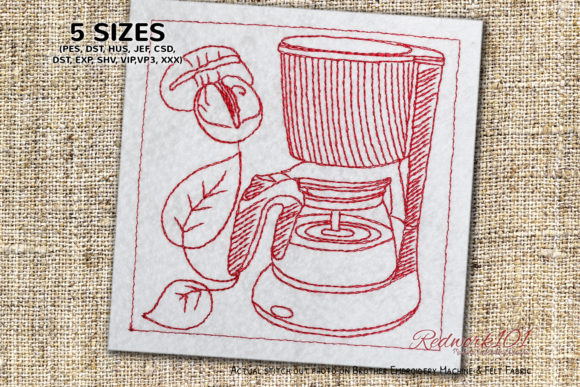
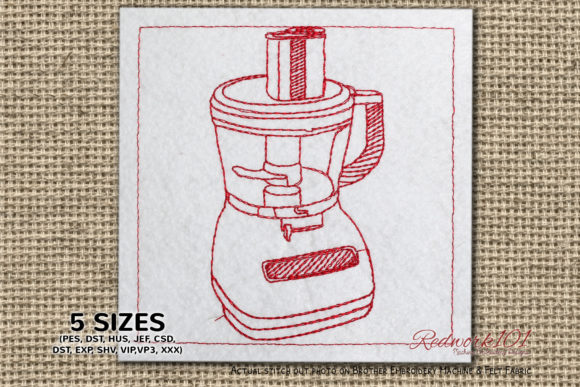
When I look at the Food Processor Redwork design, my first thought is classic kitchen charm with modern production potential. This isn't a wildly trendy or humorous design; it’s a solid, recognizable, and warmly nostalgic piece. The "Redwork" style itself suggests a traditional, single-color outline approach, which gives it a handmade, farmhouse-inspired elegance. For a crowded craft fair booth, that can be a quiet advantage—it feels premium and artisanal rather than mass-produced.
Where This Design Shines on Your Product Table
Your display is filled with tote bags, aprons, tea towels, patches, caps, pouches, and pillow covers. The Food Processor Redwork will stand out specifically on functional kitchen textiles. Think about where your customer’s eye goes: a beautifully embroidered tea towel hanging on a display rack or a crisp apron with this clean design. It becomes a decorative yet useful item, not just a novelty.
On a tote bag, it leans more toward a specialized market bag—perfect for the food-shopping enthusiast. As an embroidered patch, it could be a fantastic accent on a chef’s coat or a canvas jacket. On a pillow cover, it would anchor a cozy, rustic kitchen nook aesthetic. For small pouches or caps, I’d be cautious; the design might need to scale down, and the detail of a food processor could lose its charming clarity at very small sizes.
Production Practicalities for Batch Selling
From a production standpoint, the description notes that "The Box Stitch shown in picture is optional." This is a critical practical feature. For batch production at a fair, optional elements mean faster stitch-out times and less thread consumption. You can decide if the outer box adds to the visual appeal for your specific product. The note about the box color being different unless part of the design itself means you can often skip that color directly. This simplifies your thread setup and makes this machine embroidery design more efficient to run repeatedly.
However, always test first. Stitch it out on the actual fabrics you plan to use: a textured tea towel, a dense canvas tote bag, a curved cap surface. Check the stitch density on scrap fabric. Does it feel too dense for lightweight linens? Does it hold its shape on a towel’s loose weave? Use the correct stabilizer for each fabric type. For dark fabrics, consider if the traditional "redwork" color provides enough contrast; you might experiment with other high-contrast thread colors.
Key Considerations Before Hooping Your First Product
- Photography & Online Appeal: This design should photograph very well for your Etsy listings or printable mockups. Its clear, illustrative style is easy to understand at a glance in a thumbnail. This is a major selling point for digital sellers and small shop products.
- Scale & Placement: It likely works best as a medium-sized focal point. Too small, the mechanical details of the processor might blur. Too large, it could become overly bold for a delicate tea towel. Confirm the hoop size compatibility from your embroidery file details.
- Batch Production Friendliness: With its likely simpler color palette (especially if skipping the optional box), this design is repeatable. You can efficiently produce a batch of 20 tea towels without constant thread changes, which is ideal for stocking a fair booth.
- Commercial Licensing: Always confirm the commercial embroidery license terms for this digital embroidery file before selling finished products. This is a non-negotiable step for any creative entrepreneur.
Turning the Design into Customer Engagement
At the fair itself, how does Food Processor Redwork pull someone into your booth? It speaks to a specific, passionate niche: cooks, bakers, and those who love well-made kitchen tools. Display it on an apron as a sample, and it becomes a demonstration of quality. A customer can immediately visualize it in their own kitchen. This direct visual connection boosts buyer engagement.
The design also reinforces brand consistency if your shop focuses on kitchen or home goods. It feels like part of a curated collection, not a random one-off. On a pillow cover or a market bag, it elevates the product's perceived value from a simple craft to a decorative handmade product. The handmade quality of the embroidery stitch work is front and center with this style.
Final Designer Notes for Your Success
- Create a Real Mockup: Don't just rely on the digital preview. Stitch it on one finished product—your best-selling tea towel or apron. See how it feels in person.
- Compare Fabric Colors: Test how the redwork looks on cream, white, gray, and even dark navy. Thread contrast is everything.
- Review Spacing & Density: Look for any tiny details or small lettering (if present) that might get lost on textured fabrics.
- Evaluate Booth Display Strength: Which product format (apron vs. towel vs. tote) makes the design most visible from a few feet away? Use that as your sample.
- Consider the Giftable Angle: A tea towel or a small pouch with Food Processor Redwork can be a perfect handmade gift. Frame it as such in your display signage.
In summary, Food Processor Redwork is a practical, charming, and production-friendly design for the kitchen category. It won’t be the loudest piece in your booth, but for the right customer, it will be the most thoughtfully perfect one. Its success hinges on your choice of product medium and your attention to the embroidery details that make a craft fair product feel professionally made. Focus on quality execution, and this design will quietly and consistently sell.