Modern Pirate Embroidery for Business Branding & Merch
First Impression: Bold & Modern Character for Merchandise
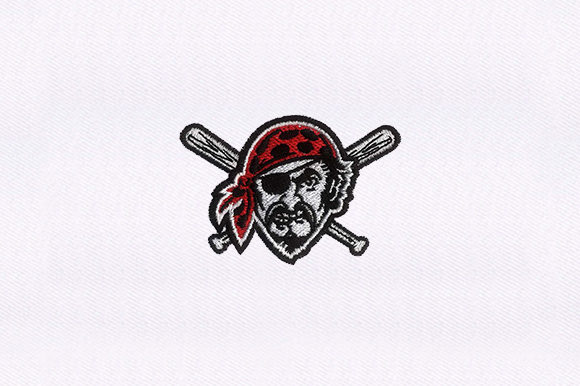
Looking at Modern Pirate purely from a branding perspective, its name suggests a design that balances a classic theme with a contemporary, clean execution. This is a crucial starting point for a small business considering it for their custom apparel or embroidered patches. The aesthetic likely leans towards being bold and playful yet professional enough to function as a legitimate brand mark. It feels less like a decorative piece and more like a potential logo accent—something that could convey a sense of adventure, independence, or cleverness for a brand.
Evaluating Modern Pirate for Real Business Applications
When I assess a machine embroidery design for commercial use, I immediately think about its application across various real-world products. For a local café, boutique, or creative studio, Modern Pirate could serve multiple roles.
Consider a handmade shop or a pet brand with a quirky personality. Using this design as a embroidered patch on a tote bag or as a sleeve detail on staff uniforms instantly creates a cohesive, branded handmade product feel. As a chest logo on an apron for a bakery or florist, it becomes a subtle, stylish identifier that builds customer trust and recognition. For event merch or as a product packaging accent on a boutique’s goods, it elevates the item’s perceived value.
Key Applications for Small Business Merch
- Branded Patches: Applied to denim jackets, backpacks, or as a product label sewn onto handmade goods.
- Staff Uniforms & Aprons: A small chest or sleeve embroidery on polo shirts, tees, or chef aprons.
- Cap Embroidery: On the front panel of beanies or baseball caps for a unified team look.
- Tote Bag Design: A central mark on canvas tote bags, excellent for customer gifts or retail merchandise.
- Product Design Assets: Used on pouches, tea towels, or other craft business products to reinforce brand identity.
Where to Use Modern Pirate Carefully
Not every design translates perfectly to all surfaces. Based on its category, Modern Pirate likely has elements that need consideration for a flawless finished product.
The main concerns for a business are:
- Small Patch Sizes: If reduced to a very small size for a cap front or tiny label, intricate details or lettering may become lost or too dense.
- Curved Surfaces: Embroidering on cap fronts requires a design with good spacing that won’t pucker on the curve.
- High Stitch Density: A dense design on lightweight fabrics like tee shirts can feel stiff; proper stabilizer is non-negotiable.
- Detailed Outlines: On textured fabric like knit or canvas, fine outlines might not appear as crisp.
- Dark Uniforms: Thread color choice becomes paramount for visibility and contrast on dark polos or work shirts.
- Frequent Washing: For items like aprons that are washed often, a robust stitch structure is key to longevity.
Impact on Brand Identity & Professionalism
Choosing Modern Pirate as part of your brand identity is a strategic decision. It affects how customers perceive your business. A well-executed embroidery design on your merchandise signals attention to detail and investment in quality, boosting professionalism. It creates visual consistency across your staff, products, and marketing materials, which strengthens buyer engagement. For an Etsy seller or crafter, using a unique, cleanly embroidered patch as a brand mark distinguishes their products in a crowded marketplace, adding a premium, handmade presentation that customers value.
Practical Embroidery Designer Notes for Production
Before running this digital embroidery file for any commercial embroidery project, follow these steps to ensure success and client satisfaction.
- Test in Black and White First: Run a sample using just black thread on white fabric and white on black. This reveals the pure structure and silhouette, checking for clarity at your intended size.
- Check Performance at Small Patch Size: If using it for a 2-inch patch, hoope a small version and inspect detail retention.
- Review Thread Color Contrast: Plan your thread palette for the specific fabric texture and color you’ll use (e.g., navy blue apron vs. light canvas tote).
- Inspect Spacing & Confirm Hoop Size: Examine the design file in your software for any overly tight satin stitches or jumps. Ensure your standard hoop size (like 4x4 or 5x7) accommodates it without needing excessive resizing.
- Test on Real Fabric: Stitch it out on a scrap of the exact material you’ll use—denim, cotton twill, canvas—to see how it behaves with your chosen stabilizer.
- Create a Printable Mockup for Client Approval: Before stitching dozens of uniform shirts, provide the client a mockup showing the design on the garment. This aligns expectations.
- Compare Beside Other Design Assets: Place the stitched sample next to your other branding elements (website logo, packaging) to check for visual harmony.
- Confirm Commercial Licensing Before Business Use: While this design comes in numerous formats (ART, DST, PES, etc.), always verify the license terms for using it in for-profit projects for your shop or clients.
A Final Note on File Formats & Preparation
The listed embroidery file formats (including DST, PES, JEF, HUS, etc.) indicate wide compatibility with most commercial and home embroidery machines. This is excellent for flexibility. However, as a professional, I advise you to always check the specific file for stitch count, underlay, and trim commands within your software before production, as these details are critical for machine performance and stitch density management. With proper testing and application, Modern Pirate can transition from a digital file to a powerful, branded asset on your merchandise, enhancing your business’s story and visual appeal on every patch, cap, and tote bag.