Puma Embroidery Design: A Professional Review for Business Merch
As a professional embroidery designer, I see hundreds of designs destined for business use. When evaluating a new file like this Puma embroidery design, my first question isn’t about aesthetics—it’s about function. How does this artwork translate into real merchandise that builds your brand, engages customers, and survives the rigors of daily use? This review breaks down the practical business application of the Puma design.
The Visual Personality: Bold, Wild & Modern
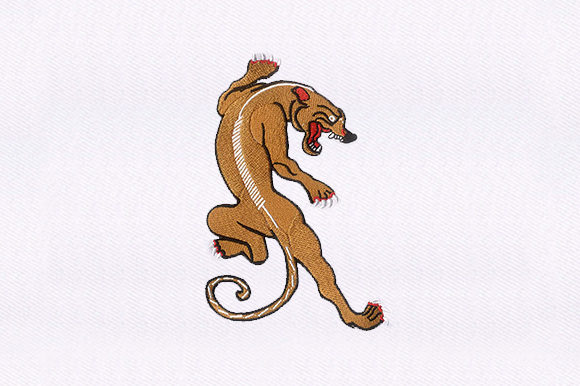
The title, Puma, immediately sets a tone. This isn’t a cute, cartoonish cat. It suggests power, agility, and a touch of the untamed. For a business, this can be incredibly effective. Think of a small business with a rugged, outdoor vibe—a specialty coffee roaster, an adventure gear shop, or a handmade leather goods studio. The Puma design carries a bold, modern, and slightly premium feel. It’s graphic and clean, likely suitable for creating a strong, recognizable brand mark that feels both professional and dynamic.
Belonging to the Wild Animals category reinforces this. It’s not just decorative; it’s a statement piece. For a florist focusing on exotic arrangements, a pet brand specializing in active animals, or a creative studio wanting a fierce mascot, this design aligns perfectly with a specific brand identity.
Real-World Business Applications: Where This Design Excels
The true value of any machine embroidery design lies in its application. For small business owners, Etsy sellers, and apparel decorators, the Puma file offers versatile potential.
Embroidered Patches for Branded Merchandise
This is a prime candidate for a high-quality embroidered patch. Patches are fantastic for small business merch: they can be ironed or sewn onto tote bags, beanies, or denim jackets sold in your boutique. They add a handmade, premium touch that increases perceived value. A Puma patch on a simple canvas tote instantly creates a unique product line.
Uniforms & Workwear: Building Professional Identity
For staff uniforms, aprons, or work shirts, a well-executed embroidery logo builds customer trust and professionalism. The Puma design could be an excellent chest logo for a café with a mountain theme or a sleeve accent for a guiding service. On a baker’s or chef’s apron embroidery, it creates a distinctive, branded look that stands out.
Cap Embroidery & Accessory Details
Cap embroidery is a staple for many businesses. The design’s likely strong, graphic lines could work well on the front panel of a cap, provided it is tested at a smaller size. This is perfect for event merch, customer gifts, or team wear.
Product Packaging & Labels
For handmade product brands, a small embroidered version of the Puma on a product tag or label acts as a sophisticated seal of authenticity. It elevates the handmade presentation and creates visual consistency across your product line.
Critical Considerations for Production Success
With a design named Puma, we’re likely dealing with detailed outlines, perhaps fur texture or facial features. This requires careful planning.
Scale and Placement Testing
Before any commercial embroidery run, you must test this design at the intended size. For a small patch or cap embroidery, the detail must remain clear. Does it lose definition when shrunk? You should run a test on scrap fabric first.
Curved surfaces like caps and shoulder seams can distort designs. Hooping and stabilizer choice are paramount. The listed array of file formats—including DST, PES, JEF and others—means it’s compatible with most commercial machines, but you must confirm the specific hoop size needed in your software before production.
Stitch Density & Fabric Compatibility
A design with potential detail might have areas of higher stitch density. On lightweight fabrics like polos or on dark uniforms where you’re using lighter thread, this can cause puckering or a stiff feel. Always use the correct stabilizer for the fabric texture. For items needing frequent washing—like staff aprons or work shirts—a robust embroidery with secure stitches is key, so testing wash durability is a must.
Thread Color Strategy
Your brand colors matter. Test the Puma design in black and white thread first to assess its fundamental form. Then, experiment with your brand palette. Does it work with high-contrast threads for visibility, or with tonal shades for a subtle, elegant look? Review thread color contrast against your typical garment colors.
Professional Designer Notes for Client Projects
When I prepare a digital embroidery file like this for a client’s merchandise, my process is meticulous.
- Create a printable mockup for client approval. Show them how the Puma will look on a cap, apron, or tote bag. This prevents misunderstandings.
- Compare it beside other design assets. Does the Puma embroidery harmonize with your website logo, packaging fonts, and overall brand vibe? Visual consistency drives customer recognition.
- Inspect spacing and outlines in your embroidery software. Ensure small elements won’t merge into a blob when stitched.
- Test on real fabric—the exact fabric you’ll use for the finished product. A cotton apron, a polyester cap, a canvas tote: each behaves differently.
- Most crucially, confirm commercial licensing before business use. The product description lists formats, but the license terms are separate. Ensure your use for custom apparel and merchandise is covered.
Final Verdict: A Strong Asset for Targeted Brands
The Puma embroidery design is not a generic decorative motif. It’s a characterful, bold graphic with significant potential for businesses whose brand identity aligns with its wild, modern essence. It can elevate small business merch from simple items to branded keepsakes. However, its success hinges entirely on professional application: rigorous testing for scale, careful selection of thread and fabric, and integration into a cohesive brand story. For the right boutique, studio, or shop, this Puma could be the powerful, embroidered heart of their product line.