A Craft Fair Gem: Reviewing Avacado Wearing the Sunglasses
As an embroidery designer preparing for a busy craft fair season, the first thing I do is review potential designs through the lens of production and sales. Today, I’m looking at Avacado Wearing the Sunglasses. From the title alone, this design promises a playful, modern twist on a classic food motif. It’s not rustic farmhouse; it’s not elegant minimalism. It’s fun. That’s a powerful starting point for a booth filled with handmade products.
First Impressions: Playful & Bold
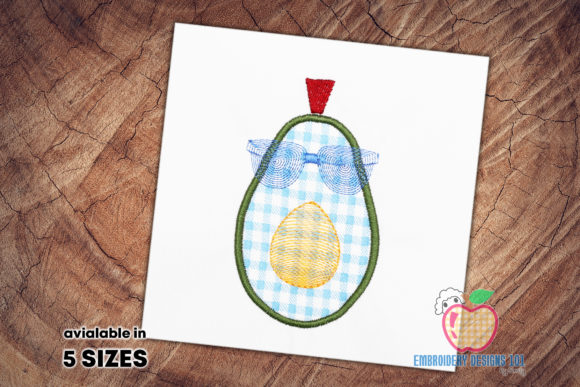
The concept is immediately understandable and engaging. An avocado wearing sunglasses is humorous and relatable. It taps into the avocado’s cultural status as a beloved icon while adding a layer of cool, casual personality. This design feels bold and cute—a combination that draws eyes across a crowded market aisle. It doesn’t require explanation. At a glance, customers will smile, nod, and understand the vibe. That instant recognition is crucial for fast-paced craft fair sales.
Where This Design Shines on Products
When I imagine my booth display—tote bags, aprons, tea towels, caps, pouches, pillow covers—I immediately see strong applications for Avacado Wearing the Sunglasses.
- Tote Bags & Market Bags: This is a prime candidate. The design’s playful nature makes it a perfect focal point on a cotton canvas tote. It feels contemporary and giftable.
- Aprons & Kitchen Towels: Given its Food category, kitchen textiles are a natural fit. On a tea towel or apron, it becomes a fun, decorative accent that elevates a practical item.
- Embroidered Patches: This design could be fantastic as a standalone patch. Its clear, defined character makes it ideal for application on denim, backpacks, or as a sellable iron-on product.
- Caps: The curved surface of a cap requires designs with good, balanced stitch density. I’d test it first, but the sunglasses and avocado shape could translate well as a bold side-panel embroidery.
- Small Pouches & Pillow Covers: For smaller items like zipper pouches, it can be a charming central detail. On a pillow cover, it becomes a statement piece for a living space.
The description notes it comes with multiple embroidery file formats and color-change steps, which is essential for adapting to different machines and products. This versatility is a huge plus for business owners running various machines.
Production & Practicality for the Maker
Turning a digital embroidery file into a profitable handmade product requires careful planning. Here’s my practical evaluation.
Stitch Density & Fabric Considerations
Avocados have a creamy interior. If this area is filled with dense stitching, I’d be cautious on textured fabrics like terrycloth tea towels, where high density can sink or pucker. The sunglasses, likely with finer lines, need clear contrast against the avocado “skin.” On dark fabrics, thread color choice is paramount—a lighter green for the avocado body will be critical for visibility.
The description mentions steps separated by color changes, which aids in production planning and thread management for batch work.
Size & Scale for Different Products
This design likely works best as a medium to large focal point. Tiny, intricate details like small sunglass lenses or text might lose clarity if scaled down too much for a small pouch accent. For a robust craft fair product line, I’d use it primarily in sizes where its character remains crisp. Testing on scrap fabric first is non-negotiable.
Photography & Online Sales
For Etsy sellers and online shops, this design photographs well. Its clear, humorous theme stands out in listing images and printable mockups. The contrast between elements (avocado, sunglasses) creates visual interest that translates through a camera lens, boosting click-through rates.
Craft Fair Booth Impact & Customer Engagement
In a physical booth, Avacado Wearing the Sunglasses acts as a magnet. It’s not a passive, decorative floral; it’s a conversation starter. Placed on a tote bag sample at the front of the table, it will catch attention and prompt laughs or comments. That engagement directly leads to sales. It also boosts perceived product value—a well-embroidered, fun design on a high-quality tea towel feels more special and worth the handmade price tag.
For brand consistency, if your shop leans toward playful, modern gifts, this design fits perfectly. It strengthens your booth’s thematic display.
Essential Designer Notes Before Production
Before hooping my first bag, I follow a strict checklist:
- Test on Scrap Fabric: Run the design on the actual fabric type I plan to use (canvas, linen, cotton twill) to check stitch density and puckering.
- Check Thread Contrast: Verify the green shades against my fabric colors, especially for dark backgrounds.
- Review Spacing & Hoop Size: Confirm the design fits comfortably in the hoop size appropriate for my target product. The multiple file formats should help with machine compatibility.
- Inspect Stabilizer Choice: Match the stabilizer weight to the fabric and design density to ensure clean finishes.
- Create One Real Mockup: Always produce one finished, sellable product first—a tote or towel—to judge the final aesthetic and quality.
- Confirm Licensing: The description doesn’t specify commercial terms. As a professional, I must verify the license allows for selling finished commercial embroidery products before any batch production begins.
Embroidery designs like Avacado Wearing the Sunglasses are the heart of a successful craft fair offering. They blend creative appeal with production feasibility. This design, with its instant humor and strong visual character, has the potential to become a standout, revenue-generating piece in your lineup of handmade products. Focus on pairing it with the right substrates, perfecting your stitch execution, and letting its playful charm work for you on the sales floor.