Lumberjack Cutting Down a Tree: A Designer's Project Review
When a new embroidery design arrives in my library, I always evaluate it through the lens of a real project. I imagine the fabric, the thread, the customer order, and the final product on a shelf or in a photo. This isn't about whether a file is "cool" on screen; it's about whether it stitches out reliably and adds value to a handmade item. Here's my honest review of the Lumberjack Cutting Down a Tree embroidery design from Creative Fabrica.
First Impression: The Character of the Design
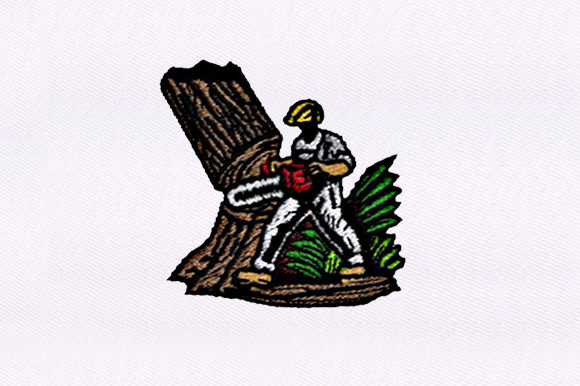
The design immediately presents a strong, rustic character. It's not a simple icon; it's a narrative scene with a good balance of elements. The lumberjack figure, the tree, and the axe work together to create a visual mood that's both masculine and nostalgic, perfect for workwear, outdoor themes, or heritage-style gifts. The color palette suggested by the preview—typically earthy tones like greens, browns, and tans—is well balanced, meaning it won't feel overly busy or flat when stitched.
This isn't a minimalist design, but the detail level appears manageable. It has a decorative appeal that would elevate a basic garment or accessory. I instinctively thought of it for custom apparel like heavyweight sweatshirts, work aprons, or denim jackets. It also has the personality to stand alone as a central motif on a tote bag or a decorative pillow cover for a cabin or lodge-style room.
Performance in Real Embroidery Projects
Let's translate that on-screen appeal into real stitching. For commercial embroidery or small business products, reliability is key.
Project Applications
I considered several real-case scenarios:
- Sweatshirts & Hoodies: This design would be a great focal point on the chest or back of a sweatshirt. Its thematic strength could support a whole product line for outdoor brands or hobbyist groups.
- Tote Bags & Aprons: On canvas or cotton, the design would add significant handmade value. For an Etsy seller or craft fair vendor, it creates a unique, story-driven product.
- Baby Items & Nursery Decor: On a more rustic-themed baby blanket or a little boy's pillow cover, it could be charming, though I'd likely soften the thread colors a bit.
- Caps: This is a crucial test. The curved surface of a cap demands designs that aren't overly tall or wide. I would need to check the specific hoop size requirements listed on the Creative Fabrica product page to see if a common cap hoop size is supported.
- Embroidered Patches: The scene has clear borders and could be excellent for a standalone patch. This opens opportunities for patches on backpacks or as sellable items themselves.
- Kitchen Towels & Seasonal Gifts: For a handmade gift, like a towel for a dad or grandpa, it hits that "giftability" mark—it feels personal and specially made.
Practical Embroidery Considerations
Success depends on preparation. Here are notes from my project-planning mindset:
- Stitch Density & Small Details: Scenes with tools and tree branches can have small, dense areas. Before running it on a final product, always test on scrap fabric identical to your project fabric. This reveals if any fill stitch areas are too dense for lightweight fabrics or if tiny details (like the axe handle) stitch cleanly.
- Fabric Compatibility: On textured fabrics like fleece or stretchy fabrics like t-shirts, you'll need the correct stabilizer to prevent puckering. On dark fabrics, the thread color contrast is vital—you may need to adjust the suggested palette for optimal visibility.
- Small Lettering: If the design includes any tiny text (not mentioned in the provided description), that requires extra caution with needle size and stabilizer.
- Layered Details: Designs with layered elements (the man behind the tree) need clean stitching to maintain definition. A well-digitized file handles this, but a test run confirms it.
- Product Durability: For items needing frequent washing, like sweatshirts or kitchen towels, the stitch integrity must be solid. A test wash of your sample is a smart final step.
Affecting Product Value and Customer Trust
Using a quality embroidery file like Lumberjack Cutting Down a Tree directly impacts your business outcomes.
For an Etsy listing or boutique merchandise, a clean, detailed embroidery adds perceived value. It tells a customer that the item is professionally crafted, not just hastily printed. This builds buyer trust. In product photography, a well-embroidered item has texture and depth that looks excellent in photos, boosting customer engagement.
If you're building a brand around outdoor, manual work, or rustic themes, this design can contribute to brand consistency across different products—from apparel to home decor. For a handmade shop owner, it provides a ready-made, high-quality design asset that saves digitizing time and lets you focus on production.
Furthermore, as a digital embroidery file, it allows for scalability. You can use it on one-off personalized gifts or batch-run it for commercial embroidery on a line of products. The availability of multiple embroidery file formats (as noted in the description) is critical for this, ensuring compatibility across different machines. Always confirm the exact formats and any required hoop sizes on the product page before starting.
Final Recommendations Before You Stitch
My review as a designer ends with practical advice. Lumberjack Cutting Down a Tree appears to be a robust, thematic design with strong application potential.
To ensure it works for your specific project:
- Check the Product Details: Before downloading, review the Creative Fabrica embroidery page for the exact stitch count, included file formats, recommended hoop sizes, and license terms for selling finished products. This is your due diligence.
- Plan Your Thread: Use the preview as a guide, but consider your fabric color. Do a thread color contrast check. You might want to create both light and dark fabric mockups digitally to visualize the final look.
- Do a Comprehensive Test: Hoop your chosen stabilizer and a scrap of your project fabric. Run the design. Inspect the small details, the stitch density, and the overall registration. This single step prevents wasted materials and unhappy customers.
- Think About Presentation: How will you showcase it? As a standalone emblem? With added text? On what background? This planning maximizes its decorative appeal.
In summary, from a project-ready perspective, this design has the visual strength and balanced composition to be a valuable asset for creators targeting a specific aesthetic. Its real-world performance hinges on your standard embroidery best practices: testing, stabilizing, and matching it to the right product. For designers and makers looking for a ready-to-use, character-filled embroidery for work-themed or rustic handmade goods, Lumberjack Cutting Down a Tree is certainly worth a close look and a test stitch.