Judging the Anchor Embroidery Design for Real Project Use
When you download a new embroidery design, especially one themed around something simple like the beach, the first question isn’t about its technical specs—it’s about its soul. What will this look like when it’s actually stitched out? Will it feel like a generic clip-art graphic or a piece with genuine character? As a designer who uses these files for client work and my own products, I opened the Anchor design with that mindset.
The First Impression: Nautical Charm with Practical Intent
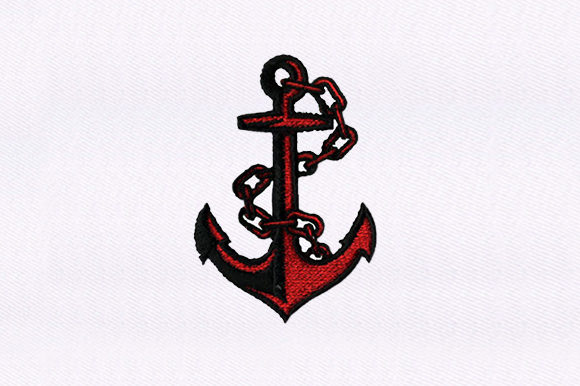
The Anchor motif is, of course, classic. This specific design feels sturdy and well-defined. It doesn’t try to be overly ornate or cute; it presents a solid, traditional nautical anchor with clean lines and clear shapes. The mood it creates is one of reliability, a touch of adventure, and straightforward coastal appeal. It’s not screaming “beach party,” but rather whispering “steady voyage.” That’s a useful personality. It means this design can stretch beyond just summer-themed items into gifts for sailors, personalized items for boat owners, or simple decor for someone who loves the sea.
The layout is centered and balanced, making it an excellent candidate for a focal point on an item. The level of detail appears thoughtful—enough to give the anchor visual weight, but not so dense that it becomes a thread-heavy nightmare on thinner fabrics. Its visual personality is friendly, recognizable, and frankly, versatile. I immediately pictured it on a navy-blue cotton tote bag or the chest of a heavyweight sweatshirt.
Where the Anchor Design Naturally Belongs
Let’s talk real-life scenarios. I’m considering a custom order for a client who wants a personalized gift for her husband, a sailing enthusiast. A high-quality, embroidered anchor on a new cap or a towel for his boat seems perfect. This design, at the provided hoop size, fits nicely on the front panel of a cap without crowding the curved seams. For a kitchen towel or an apron in a beach-themed cafe, this anchor would act as clean, professional branding.
For small business merchandise, like an Etsy shop selling coastal nursery decor, this anchor could be beautifully stitched onto a baby blanket or pillow cover. It’s a safe, universally liked symbol. As an apparel decorator, I see it working well on the left chest of a polo shirt or a t-shirt, especially if paired with a name or date in a smaller font. Its clarity ensures it will be recognizable even at a modest size, which boosts the perceived value of the finished product.
Performance on Actual Products and Fabrics
Now, the practical judgment. With over eleven thousand stitches, this design has substance. That stitch count suggests good coverage and solid fill areas, which will look rich on stable fabrics like canvas for a tote bag or twill for a cap. On a sweatshirt, using the proper stabilizer, it should lay beautifully without puckering. The provided file formats cover nearly every major machine type, which is a huge practical benefit for crafters and commercial embroiderers alike—no conversion headaches.
However, this density means you must be cautious on thin or stretchy fabrics. Embroidering it directly onto a thin cotton t-shirt without a solid stabilizer strategy could lead to distortion. Similarly, on very textured fabrics like some blankets, the finer details might get lost. It’s not a design I would automatically choose for delicate baby clothes unless it was scaled down significantly or placed on a very stable area.
A Note on Visual Appeal and Customer Trust
When a design stitches out cleanly, with sharp edges and no skipped details, it directly impacts customer trust. A crisp anchor on a handmade product signals care and professionalism. For a gift, it feels intentional and well-made, not hastily applied. This design, by virtue of its simple yet strong shape, promises that kind of crisp result on appropriate materials. That’s crucial for brand consistency for a small shop—every anchor on every product should look identical and excellent.
Careful Application: Where to Think Twice
Given its size and detail, the Anchor design requires some forethought in a few key situations. On dark fabrics, the thread color contrast is paramount. A white or bright gold anchor will pop, but a navy blue anchor on a black garment might vanish. Always test on scrap fabric first.
The small details, like the ring at the top or the points of the flukes, need clean stitching. On curved surfaces like caps, ensure your hooping technique is flawless to avoid distortion in these corners. For products destined for frequent washing, like apparel or kitchen towels, the stitch density is actually a benefit—it’s robust—but use high-quality thread to maintain that look over time.
I would avoid using this design as a tiny decorative accent on a large item. It’s meant to be a statement piece within its hoop size. Trying to miniaturize it further might compromise the integrity of its lines.
Practical Designer Notes Before You Stitch
Before committing this to a client’s item or a batch of craft fair products, do your homework. First, stitch it out on a scrap of the actual fabric you plan to use. See how the fill stitches behave. Check for any thread breaks in the satin stitch outlines. Second, review it in both light and dark fabric mockups, even simple black-and-white digital previews, to judge its visual impact.
Confirm the exact hoop size compatibility with your project. The listed dimensions are generous for a 4x4 hoop, but always verify your machine’s specific capabilities. Third, and this is vital for commercial use: confirm the licensing terms of the design file. Can you sell the finished embroidered tote bags or caps? Can you use it for a client’s commercial branding? Never assume.
Finally, think about thread choice. A matte cotton thread might give this anchor a vintage, handmade feel perfect for a boutique product. A shiny rayon thread could make it pop on a cap for a more nautical look. This small choice drastically affects the final product’s personality.
The Final Verdict for Makers and Entrepreneurs
The Anchor embroidery design is a reliable, versatile asset. It’s not flashy, but it’s profoundly useful. It stitches a symbol that carries meaning, fits a wide range of products from personalized gifts to small shop merchandise, and, when applied correctly, results in a clean, professional-looking piece. Its strength is its simplicity and execution. For a crafter looking to add a timeless nautical element to their work, or an apparel decorator needing a solid, client-friendly design, this Anchor holds its weight. Just remember to pair it with the right fabric, the right stabilizer, and the right intent—then it will truly shine.