A Designer’s Review of the Cute Bird Embroidery Design
First Impression: Soft, Decorative Charm
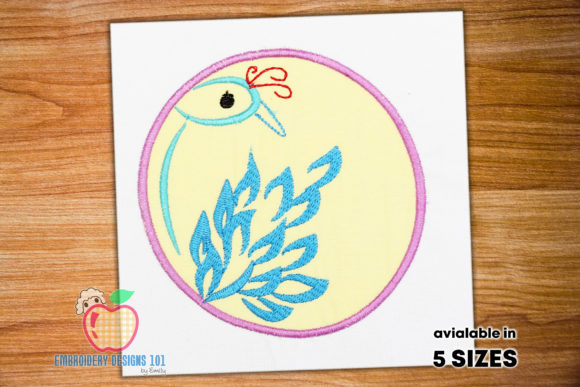
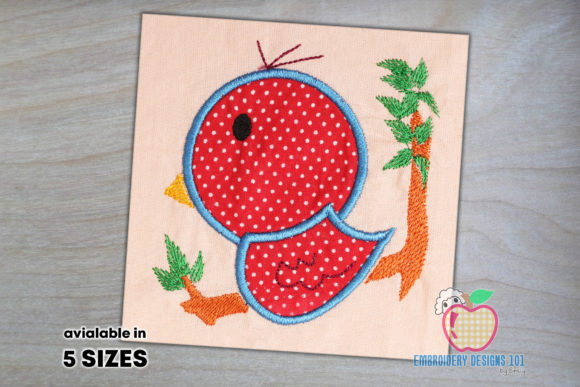
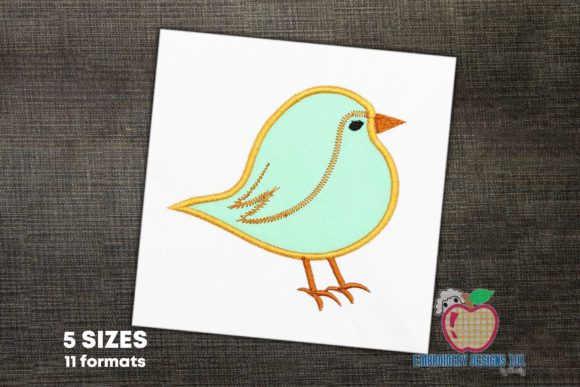
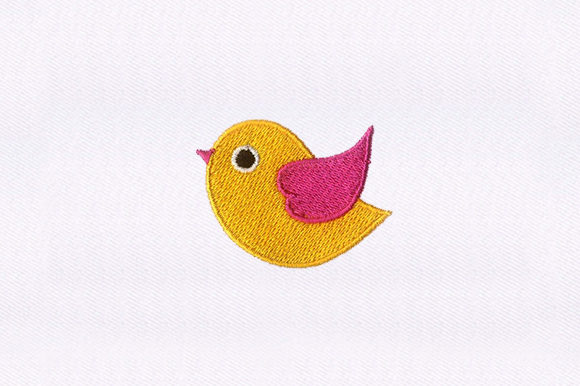
When I first looked at the Cute Bird embroidery design, my immediate thought was "soft decorative charm." The title tells you exactly what you're getting: an approachable, sweet illustration. This isn't a bold, graphic statement or a minimalist icon. It feels crafted. With a finished size around five inches wide, it sits comfortably in that mid-range—not too small to be lost, not so large it dominates a piece. For craft fair sellers, this is a key starting point. The mood leans into a gentle, rustic-cute aesthetic, perfect for the handmade market product world where warmth and personality sell.
Where Cute Bird Stands Out on Products
My next step is always to imagine the design on actual products. For Cute Bird, I mentally walk through my craft fair booth table. Here’s where I see it shining.
Tote Bags & Market Bags
This is a prime candidate. The size is ideal for a tote bag’s front panel, offering a clear focal point without overwhelming the fabric. The decorative nature adds value to a utilitarian item, making it feel like a special, giftable handmade product. On a natural canvas or a soft linen, the design will look particularly premium.
Aprons & Kitchen Towels
Cute Bird fits perfectly into the kitchen and home category. Embroidered on the pocket of an apron or the corner of a tea towel, it provides that classic, farmhouse-inspired touch customers love at markets. The stitch count (over 22,000 stitches) suggests good detail, which translates to a quality look on these textured fabrics.
Pillow Covers & Small Pouches
For decorative home accents or giftable pouches, this design works beautifully. As a centered design on a pillow cover, it creates a cohesive, soft look. On a small fabric pouch, it becomes the entire personality of the item—a single, charming statement that’s easy to understand at a glance.
Patches & Caps
This requires careful consideration. The design's dimensions mean it would need to be reduced for a cap, and the detail level (tiny beak, feather suggestions) might lose clarity at a much smaller size. As a standalone embroidered patch, however, it could be excellent, especially if applied to a denim jacket or bag. Always test on scrap fabric first.
Practical Production Points for Your Small Shop
Turning a digital embroidery file into a sellable craft fair product requires practical thinking. Here’s my review from the production bench.
Stitch Density & Fabric Choice
A stitch count of 22,674 indicates a reasonably dense design. This is good for visual richness but means you must pair it with the right stabilizer and fabric. Avoid very thick or highly textured towels without testing; stitches can sink and lose definition. For dark fabrics, thread contrast is crucial—you may need to adjust colors so the Cute Bird doesn’t fade into the background.
Hoop Size & Batch Production
The listed 6x6 hoop size makes this a manageable run for batch production. You can efficiently hoop several tea towels or pouch fronts in a session. The design feels repeatable; it’s not so complex that it becomes a slog to produce multiples, which is vital for stocking a booth.
Photographing for Online Sales
For your Etsy listings or printable mockups, this design will photograph well. Its decorative, filled-in nature should look crisp against a clean fabric. The "cute" factor is visually obvious, which helps in thumbnail images. Creating at least one real mockup is non-negotiable—see how it looks in natural light before committing to a full product line.
Customer Attention & Booth Display Strategy
At a busy craft fair, how does Cute Bird help you engage buyers?
Its strength is in its immediate emotional appeal. It’s not abstract; people see a friendly bird and connect. On a display table, products featuring this design should be grouped. A tote bag, an apron, and a pillow cover together create a theme, reinforcing your brand consistency and making your booth look cohesive and professional. The design adds perceived handmade quality—the stitch detail suggests care and effort, increasing product value.
For buyer engagement, it serves as an easy conversation starter. "Oh, that cute bird!" is a natural reaction. This opens the door for you to talk about your process, the fabrics, or the other products you have.
Essential Designer Notes Before You Sell
Before you stitch this onto any commercial embroidery product for sale, follow this checklist.
- Test on Scrap Fabric: Use the exact fabric and stabilizer you plan to sell. Check for puckering or thread coverage.
- Review Thread Contrast: Especially on dark or patterned backgrounds. Does the Cute Bird pop?
- Inspect Stitch Density: On curved surfaces like caps, dense areas may need adjustment.
- Confirm Hoop Size & File Formats: The provided list includes DST, PES, JEF, etc. Ensure your machine uses one of these 10O, ART, CND, DSB, DST, DSZ, EXP, HUS, JEF, PCS, PEC, PES, TAP, VIP formats.
- Compare Fabric Colors: Stitch the design on a few different color swatches to see which sells the mood best.
- Confirm Commercial Licensing: The product description notes it's a machine embroidery design. Always verify the license terms from the original designer or site to ensure you can legally sell finished products.
The Final Take: A Versatile, Sellable Charm
For embroidery business owners and creative entrepreneurs preparing for a market, Cute Bird is a solid, versatile choice. It hits the sweet spot between decorative and approachable. It adapts well to key best-selling product categories like totes, aprons, and home accents. Its production requirements are manageable for small-scale batch work. By focusing it on products where its soft, rustic-cute charm is most obvious, and by executing the embroidery with care for fabric and contrast, you can turn this digital embroidery file into a lineup of engaging, profitable handmade products that will attract eyes and hands at your craft fair booth.